A: Is it in “fixed form”? Saved as a file or recorded on film or paper? Then it’s most likely under copyright.
Setting something in “fixed form” is the only official requirement for a creator to gain copyright protection in 182 countries that signed the 1886 Berne Convention. In some countries, additional rights are afforded by “registering” content with an authority, but that’s extra.
The person who creates the fixed form is the copyright holder (unless the note taker or videographer sells those rights in their service contract, for example).
That’s the simple answer: If you found it, it’s copyrighted, probably.
So What If It’s Copyrighted?

This means you need permission to reuse, copy, or distribute any recorded content. You need permission from the creator of it except in the case of very few exceptions like criticism, review, personal study, news reporting (by media), and parody. Find those details under “fair dealing” exemptions in Canada or “fair use” in the USA.
What Isn’t Copyrighted
Things that are likely not copyrighted include:
- Content whose creator died more than 70 years ago.
- Content released as “public domain” (not into the public, notably!) such as
- Statistics Canada reports
- Most output from the USA federal government
- Content released under a Creative Commons or CopyLeft alternative license
But note that some alternative copyright systems carry the requirement that any redistribution of the source or works derived from it must be released under the same license (meaning: free!).
It Gets Complicated
Copyright can be held (and renewed) by a company, organization, or estate, not just a person. Moral and other rights exist along with copyrights. And, further, copyright to some creations like music can have 12 (or infinite) overlapping and intersecting rights holders as each contributor holds the copyright to their contribution, including the editor. (But editors of words typically sign over these rights (as part of the original contract terms) once they are paid for their work.)
Ask Your Editor
A qualified editor can help you navigate copyright and permissions issues since they’re publishing pros (and flagging legal concerns is part of the professional standards for editors set forth around the world). They’ll even tell you when it’s a good idea to talk to a lawyer about it.
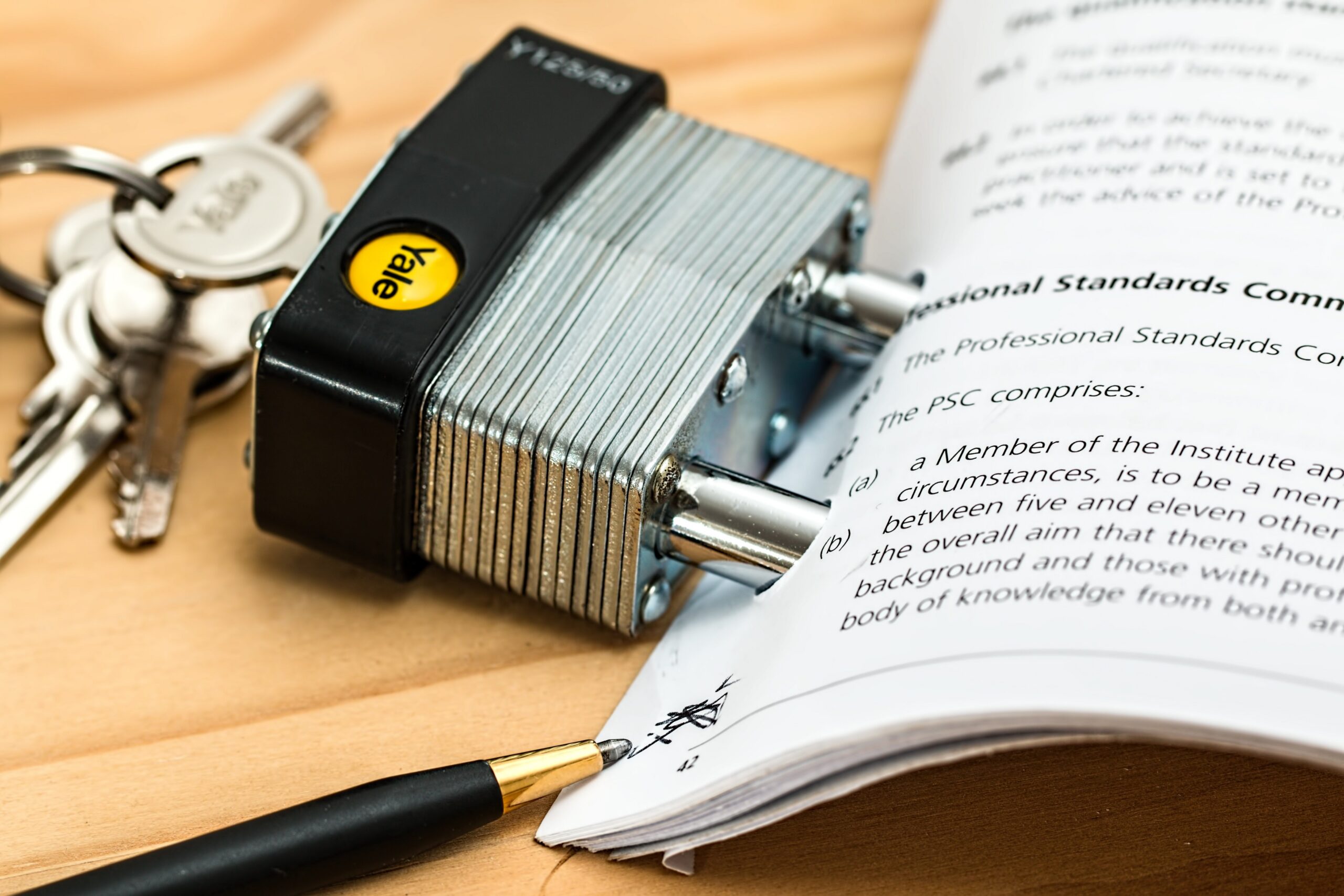
Photo of locked pages by Steve Buissinne and ventriloquist photo by Ryan McGuire both used with permission via Pixabay.
Adrienne is an award-winning certified copyeditor and part of The Quad “mastermind” group—a collection of senior editors who support each other’s learning and business development (informally, up until this website). Find Adrienne teaching editing at Canadian universities or online as SciEditor. They’ve written more than 900 blog posts aimed at helping other editors, and a few dozen to help clients. Best-known of these are their Editor Vs AI series and their instant estimator for time and cost.
Subscribe to get notified by email when there is a new post

Author photo by Coady Nikerson.