As much as editing is a profession, there is so much variety in our work that “editing” is almost a collection of professions. Much like practicing “medicine” could mean a whole variety of vastly different things.
An editor can be defined by these variables:
- Editing skill/training
- Stage of product production
- Subject matter
- Publication type
The result is a literal million specific types of editing.
While attending editing conferences is a great way to connect with colleagues and keep up with the state of the art, the value of attending conferences that focus on other parts of that equation cannot be understated. Especially the “subject” part.
What you’ll find at clients’ conferences
Even within a client’s conference, there will be a similar diversity of niches. I recently attended a conference for science communicators. It was filled with people who specialized in a wide variety of science-related products:
- research reports/articles
- mainstream journalism (news)
- newspapers
- specialist magazines
- podcasts
- broadcast reporting
- entertainment (interpretive live shows or recordings)
- museum interpretation
- children’s books, games, etc.
- mainstream long-form products (books & films)
- policy and regulatory materials
- peer-to-peer education (in-service training & manuals)
- formal education (school)
- visuals (especially infographics & 3-D modelling)
- grant applications
- apps and software
- games and toys
And among those “product” niches (and more!) we could layer on the subject area specialties!
Likely, the room will be filled with people who work in your subject area but not in your role. The range of products and audiences will be vast, too. You may become the only editor they know!
What you’ll learn at clients’ conferences
There’s value in just hearing these subject experts talk among themselves. Your attendance will show a genuine interest in their field and that you understand and value what they have to say.
You’ll hear the present concerns of clients and potential clients, and developments and anticipated changes within this “field.” You’ll hear them talk about the subjects and the problems that they know best. You’ll also get a chance to ask them what pain points you could help them solve.
You’ll learn about potential clients and niches that you never guessed existed! And you’ll learn what ythe work you’re used to is called in each niche. (Hot top: editors often do “quality control” tasks on text!)
Maybe you’ll find another editor working in one of these related niches, too. This builds your professional network of pros who really understand what you do, precisely.
It’s a great time to ask this crowd what someone with your skillset could offer as a conference session. Ask “What is it you’d like to hear from an editor?” Then take notes! This isn’t just about presenting, it’s about learning what these potential clients want help with day to day. It helps identify pain points that you might be able to help solve.
Avoid sales pitches: build lasting relationships
Don’t cause eyes to glaze over by starting a sales pitch. Ask them questions and listen to what they say. This access is hard to come by! Use what you hear more broadly, as follows.
What to do after a client’s conference
- Take what you learned and use it to amend your business plan (and ongoing learning) for the next year or longer.
- Pinpoint what offerings already align with these potential clients
- Add a skill or tool, and offering, or a client niche!
- Plan some offerings that can serve new clients or niches:
- A new “menu item” you can offer
- Rewording of an offering in terms these potential clients use
- A conference pitch for next year
- Update your website/services page with new offerings. — I also made a blog post for conference goers that contained all of the resources I had mentioned in passing. That way anyone following up on my website would find exactly what they needed, right away.
- Complete your nany notes you jotted during the event (such as session pitches for the next event).
- Join any social media groups or hashtags that drew your interest. This helps you hang out more with this client group.
- Contact people you met and thank them for their time or say something nice about what you learned from them. It’s not the time for a hard-sell. This is just networking, building your contacts. As I said above, you might be the only editor they know!
See more in Lori’s post-conference advice.
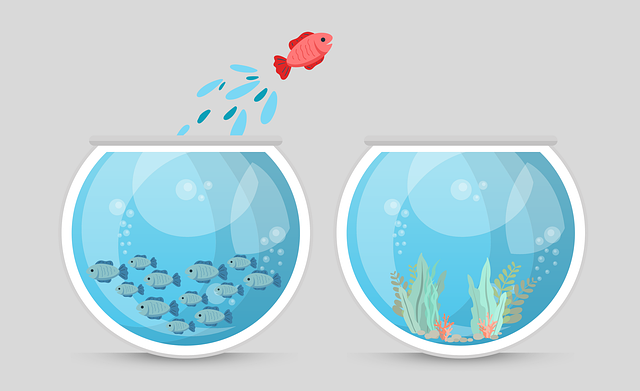
Fish jumping between bowls by Rosy / Bad Homburg / Germany from Pixabay
Adrienne is an award-winning certified copyeditor and part of The Quad “mastermind” group—a collection of senior editors who support each other’s learning and business development (informally, up until this website). Find Adrienne teaching editing at Canadian universities or online as SciEditor. They’ve written more than 900 blog posts aimed at helping other editors, and a few dozen to help clients. Best-known of these are their Editor Vs AI series and their instant estimator for time and cost.
Subscribe to get notified by email when there is a new post
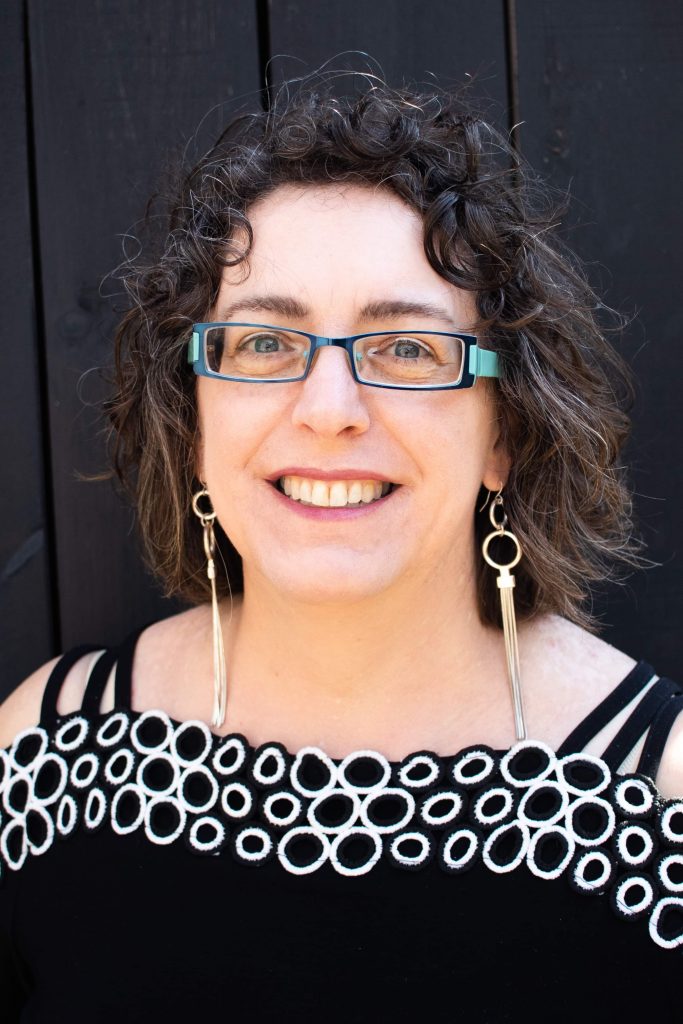
Author photo by Coady Nikerson.