

Meaning
Scholarly writing has the reputation of being dense, esoteric, and hard to understand. This may be an unfair characterization, but there’s an element of truth here. Specialized language and outdated writing “rules” contribute to making academic prose more convoluted than it needs to be. The rise of plain language and accessibility concerns has offered new goals for simplifying writing without sacrificing meaning.
My career of three decades focuses on editing scholarly nonfiction in the humanities. I don’t change an author’s voice or argument; my job is to polish the prose until it reads as clearly as it can. The goal is to let the author’s argument be obvious and not have readers trip over textual issues that are easily fixed. Here are some of the key approaches I use.
Use Active Voice Where Possible
The passive voice has a place and can be used quite effectively but is often overused in scholarly work.
- “Many attempts have been made by analysts” becomes “Analysts have made many attempts”
- “We are hopeful that these options…” becomes “We hope these options…”
- “This case is one that argues” becomes “This case argues”
- “is indicative of” becomes “indicates”; “is reflective of” becomes “reflects”; “is productive of” becomes “produces”
Take Ownership of the Action
Often in scholarly writing (especially in the sciences), the ownership of the action is unclear. It’s fine to use “I,” “we,” “us,” and other first-person subjects and objects to claim the action.
- “The experiment was conducted by our lab” becomes “Our lab conducted the experiment.”
- “This article argues for” becomes “Here I [we] argue for.”
Get Specific with Time
Many writers include relative time frames, instead of specific ones, for instance, “in the past decade.” The problem with this construction is that it will be correct and current only at the time of writing. Readers may see this fifteen years later and think it’s the past decade from the point of reading, which is inaccurate. For any text other than newspaper articles, it can be wise to establish absolute times, rather than relative times.
- “In the past decade” becomes “Since 2015” (or whatever appropriate year)
- “Fifteen years ago” becomes “In 2010”
- “Over the past eight decades” becomes “Since the 1940s”
- “In the second decade of the twenty-first century” becomes “in the 2010s.” Technically, the first phrase is absolute, not relative, but it is easier to parse in the revised version.
- “the thirteenth century” becomes “the 1200s.” Again, the first phrase is correct, but we often forget that the name of the century (thirteenth) doesn’t match the years (twelve hundreds). Sometimes using the digits helps readers place the time frame more accurately.
Use Abbreviations Appropriately
Abbreviations, acronyms, and initialisms are very handy for reducing wordiness, but can sometimes make the text read like alphabet soup. Some general guidelines:
- Only define an abbreviation if it is used more than twice in the text. No need to define an abbreviation if it is only used once or twice.
- Once you define an abbreviation, you should use it every time the phrase comes up.
- Clearly define the abbreviation at its first appearance in the text. Generally, this means spelling out the full term and including the abbreviation in parentheses after: “nongovernmental organization (NGO).” Some publications include a list of abbreviations; make sure this list is complete.
- There is no need to define common country abbreviations like UK, US, and EU.
About Laura Poole
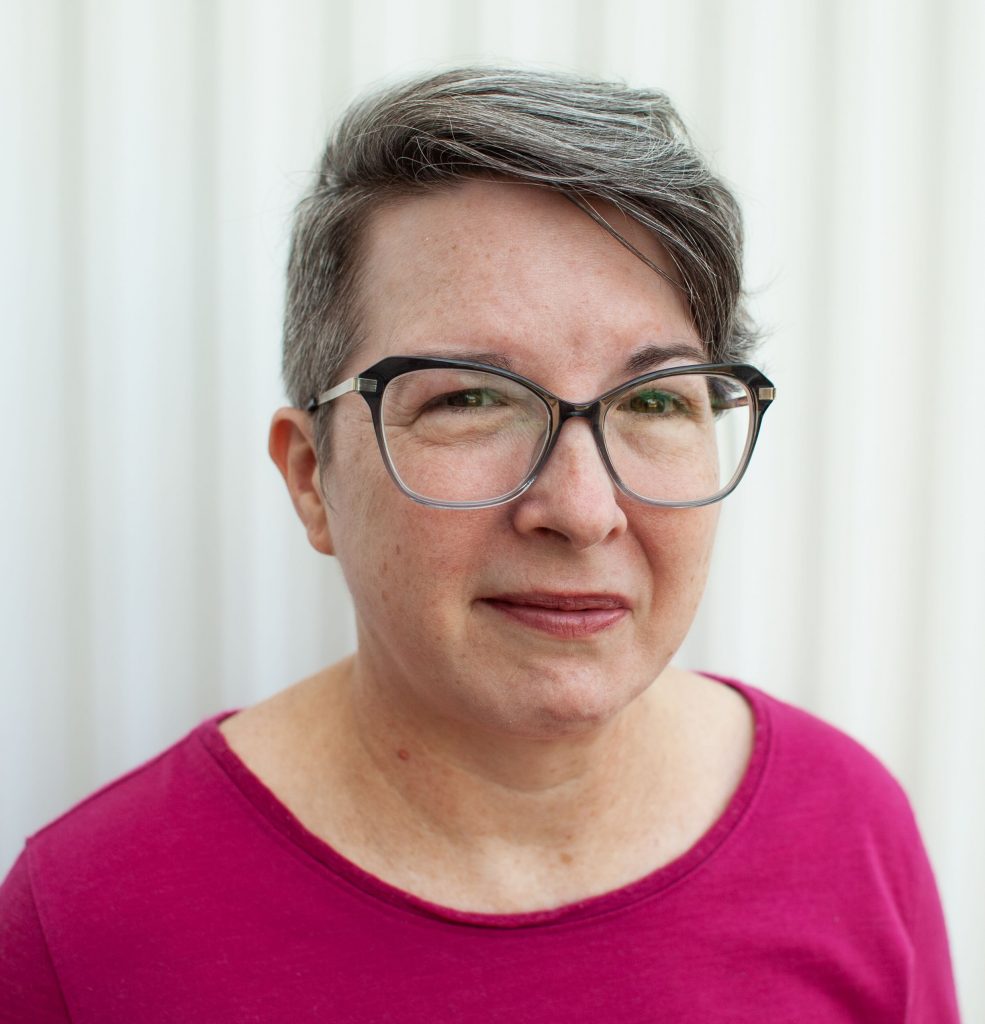
Laura Poole has been editing full-time since 1996. Her company is Archer Editorial Services, Inc., founded in 1997. She specializes in scholarly nonfiction copyediting in the humanities (books and journals) and provides training for publishers and editors. She currently serves on the ACES Awards Committee as head judge for the Robinson Prize.